
Skin Care
5 Face Mask that Change your Skin Fast

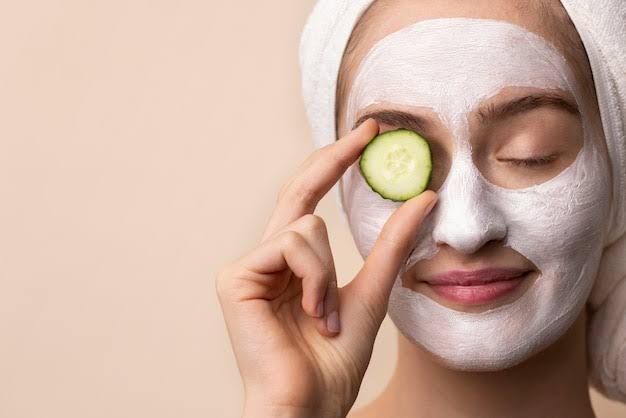
Dubai’s weather is known for its harshness. To be honest, though, our skin often doesn’t fare as well as the city does when it lights up beautifully. Hot winds, central heating, and vitamin D deficiency can lead to dehydration and a dull complexion. However, with the right face masks, you can keep your skin looking radiant and healthy all year long.
Whether you’re dealing with dryness, dullness, or the occasional breakout, these five homemade masks use natural ingredients to suit different skin types.
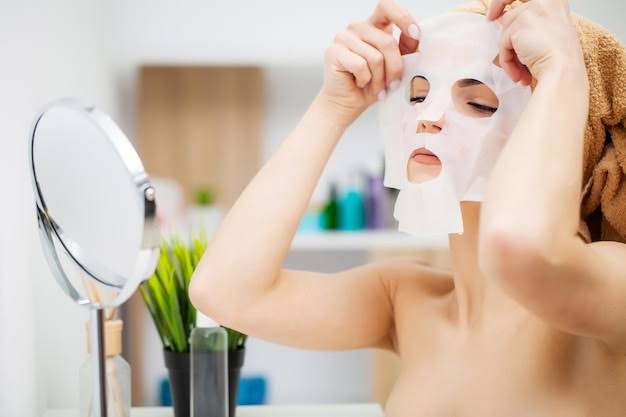
Sensitive Skin Savior: Oatmeal and Honey Mask
This soothing mask is perfect for sensitive skin. Oatmeal has anti-inflammatory properties that calm irritation, while honey provides hydration and antibacterial benefits.
– Mix 1 cup of fine oatmeal with 1 tablespoon of raw honey and warm water to form a paste.
– Apply to your face and leave on for 10-15 minutes.
– Rinse gently with lukewarm water to reveal soft, refreshed skin.
Dry Skin Delight: Avocado and Olive Oil Mask
Get ready to say goodbye to dry, flaky skin with this ultra-hydrating mask. Avocado provides essential fatty acids, while olive oil locks in moisture.
– Mash 1/2 avocado and mix with 1 teaspoon of olive oil
– Apply the rich blend to your skin and leave on for 20 minutes.
– Rinse with warm water to reveal deeply moisturized, supple skin.
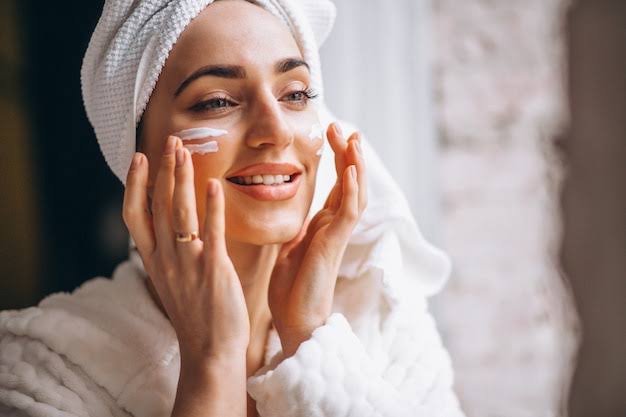 Normal Skin Nourisher: Yogurt and Banana Mask
Give your normal skin a balanced and hydrating boost with this creamy combo. Yogurt provides lactic acid, which gently exfoliates, while banana offers potassium and vitamins.
– Mash 1/2 ripe banana with 2 tablespoons of plain yogurt.
– Spread the mixture over your face and leave on for 15 minutes.
– Wash it off with cool water for smooth, glowing skin.
Oily Skin Perfector: Aloe Vera and Lemon Mask
Control oil and add hydration to your oily skin with this refreshing mask. Aloe vera soothes and calms, while lemon juice provides a natural harshness.
– Combine 2 tablespoons of fresh aloe vera gel with 1-2 teaspoons of lemon juice.
– Spread it on your face and leave for 10 minutes.
– Rinse with cool water to reveal balanced, bright skin.
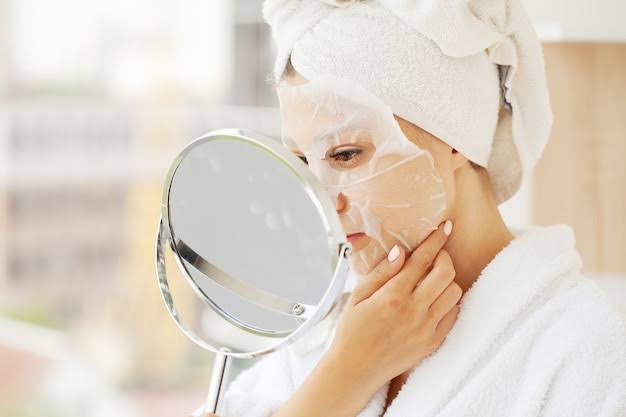
Combination Skin Corrector: Honey and Cucumber Mask
Balance combination skin with this hydrating and cooling recipe. Honey provides antibacterial benefits, while cucumber soothes and calms.
– Blend 2 tablespoons of cucumber juice with 1 tablespoon of raw honey.
– Apply the mixture evenly to your face and let it sit for 15 minutes.
– Rinse with lukewarm water to reveal refreshed, revitalized skin.
Finally, remember to follow up with your favorite moisturizer to lock in hydration and increase the benefits of your face mask. Also, store your face masks in the fridge to prolong shelf life and enhance their cooling, soothing effects.



Every summer, there comes a moment when your usual moisturiser stops feeling comfortable on the skin and your winter moisturiser begins to feel heavy, trapping heat on the skin, and makes midday shine more noticeable. The solution isn’t dropping moisture altogether, but switching how you apply it.
Moisturising toners have become a key step in many warm-weather routines. Lightweight enough to absorb before you have finished patting them in, yet substantive enough to hold the skin barrier steady through humidity and heat, they sit between a splash of water and a richer cream. Here are five worth considering.
Laneige Cream Skin Toner
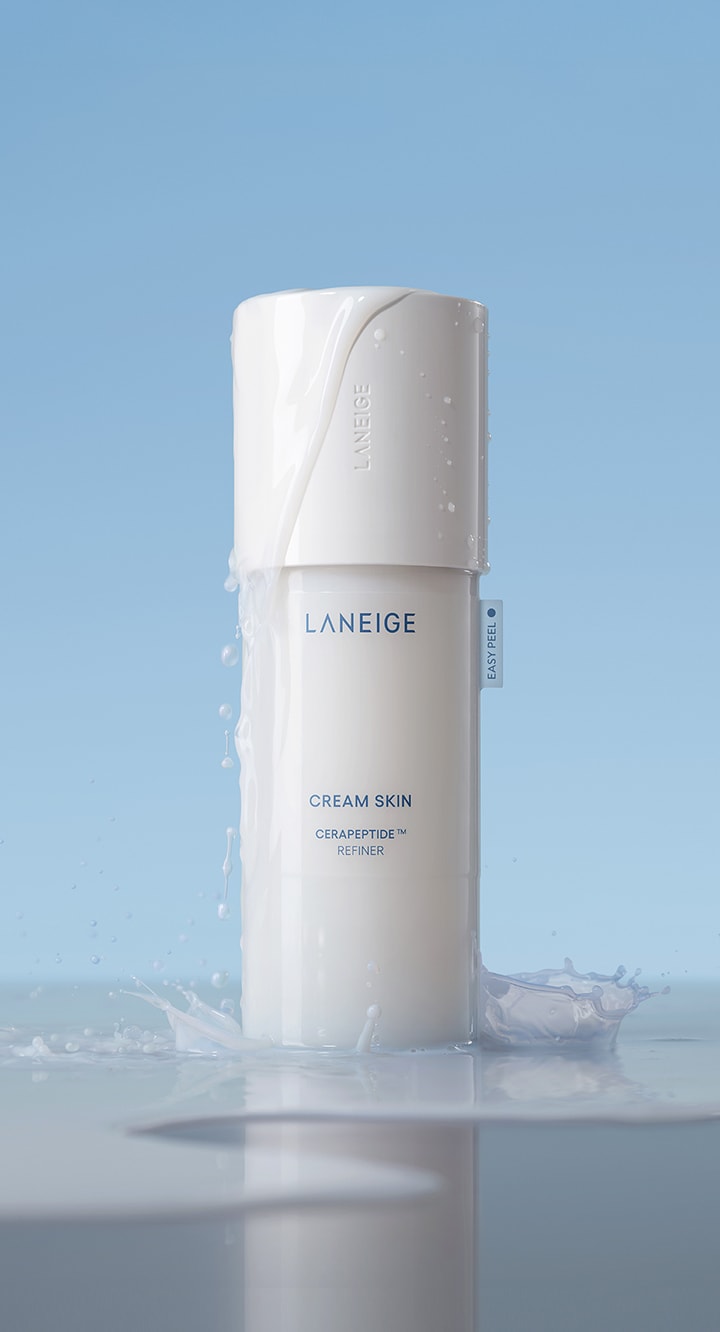
Photo: Instagram
It delivers the satisfaction of a moisturiser inside a toner’s featherlight body, with white leaf tea water helping to calm inflammation while a ceramide and peptide complex works quietly underneath to support barrier repair. Best suited to dry and sensitive skin, but those with oilier skin may want to patch test before committing.
Shiseido Eudermine Activating Essence Lotion
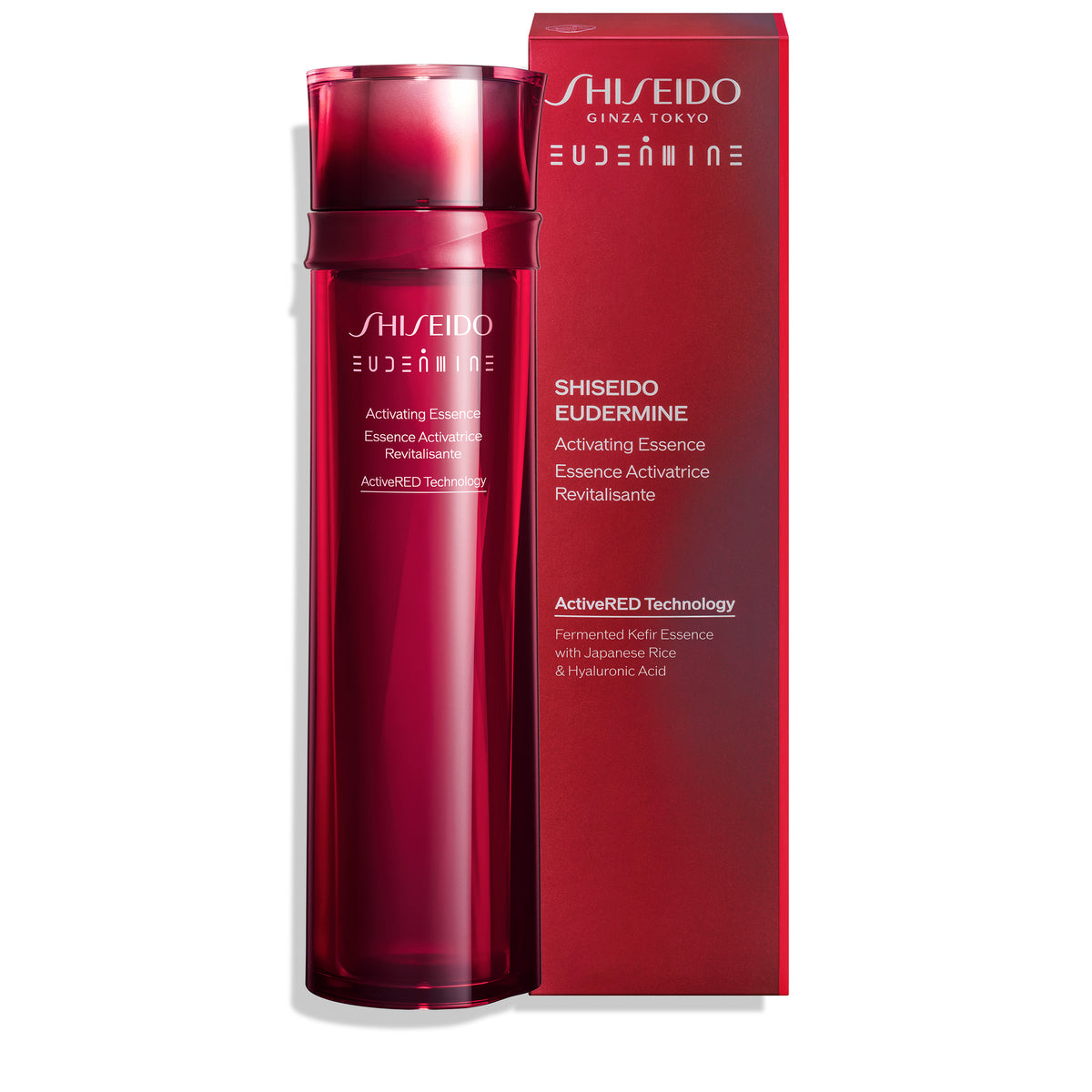
Photo: Instagram
Twenty-four-hour hydration from a formula that feels like water on the skin is the kind of claim that usually invites scepticism. Here, however, dual hyaluronic acids lend it credibility, drawing in and sealing moisture at different skin depths. Vitamin C helps brighten and even out tone with continued use.
SK-II Facial Treatment Toner
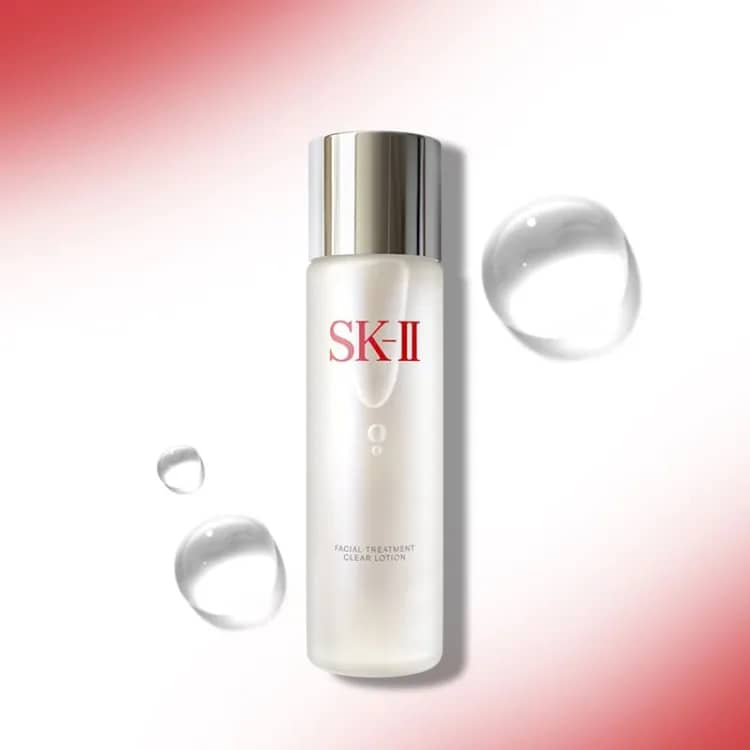
Photo: Pinterest
Pitera™, SK-II’s signature ferment complex, has been central to the brand’s formulations for decades. Combined with AHAs, it lifts residual grime, refines texture, and brightens in a single step. Less a traditional toner and more a final step in cleansing, designed to refine skin with continued use.
Fenty Beauty Fat Water Toner Essence
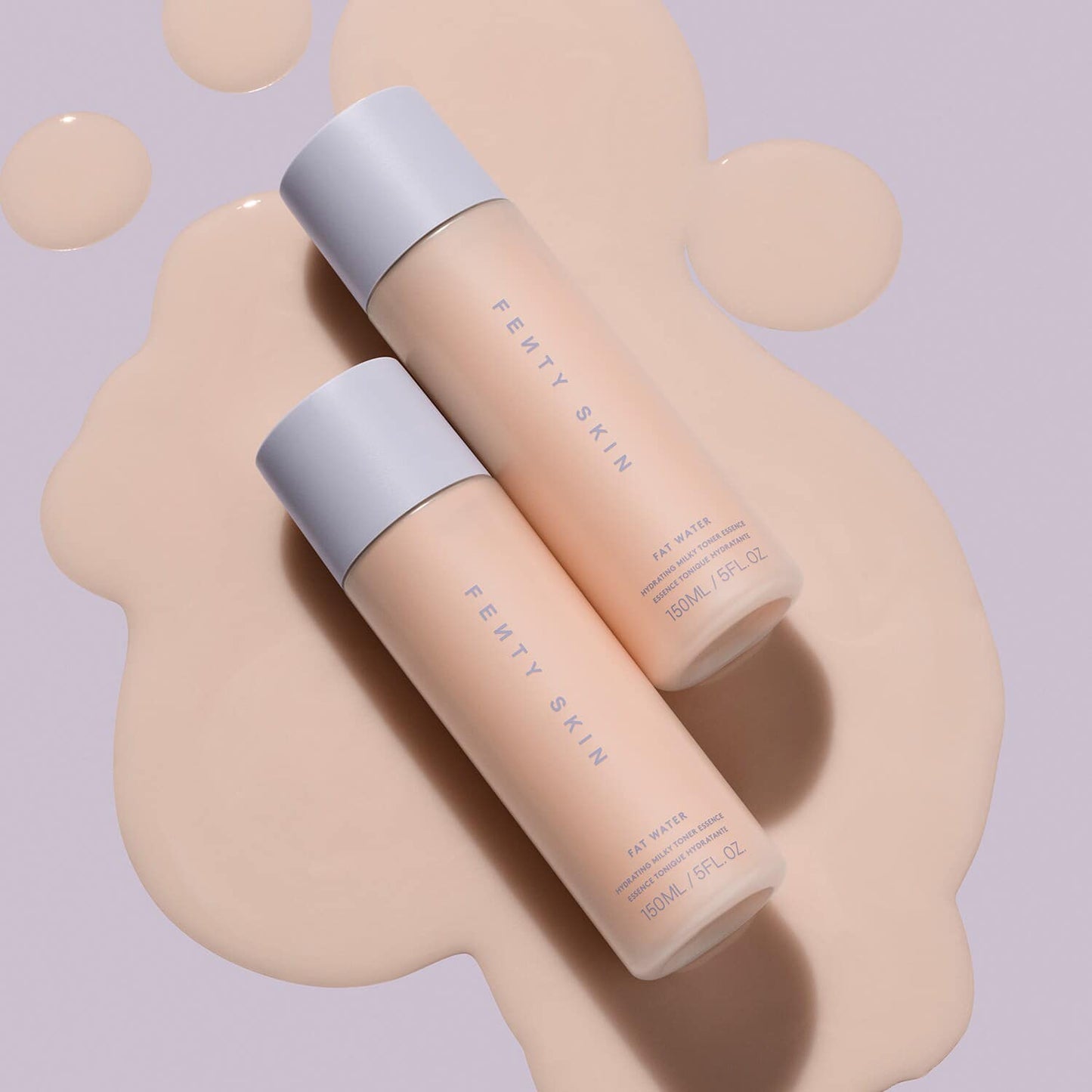
Photo: Instagram
It contains tamarind, panthenol, and hyaluronic acid, which absorb quickly and leave skin hydrated and feeling calmer, the travel-friendly packaging is a practical bonus, though the light scent is worth testing if fragrance sensitivity is a concern.
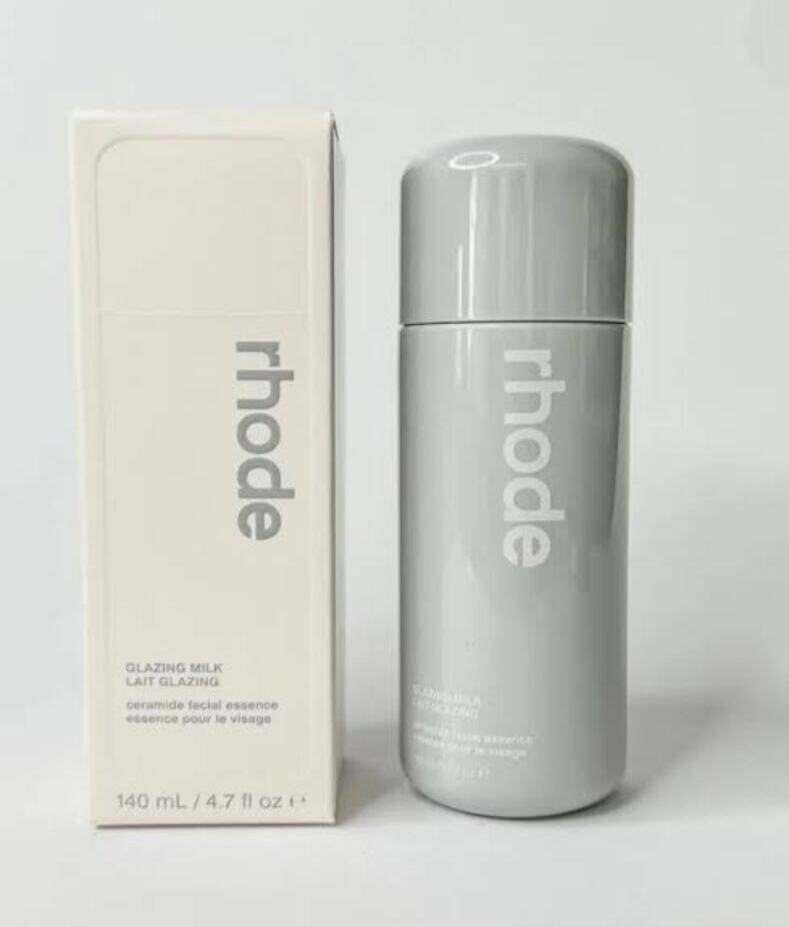
Rhode Skin Glazing Milk
Photo: Instagram
Ceramides and beta-glucan form the backbone of this calming essence, built specifically with reactive and eczema-prone skin in mind, it carries the National Eczema Association’s Seal of Acceptance. It leaves skin hydrated through the day without feeling heavy or occlusive.
Read Next Post: Most Anticipated Summer 2026 Movies Worth the Wait

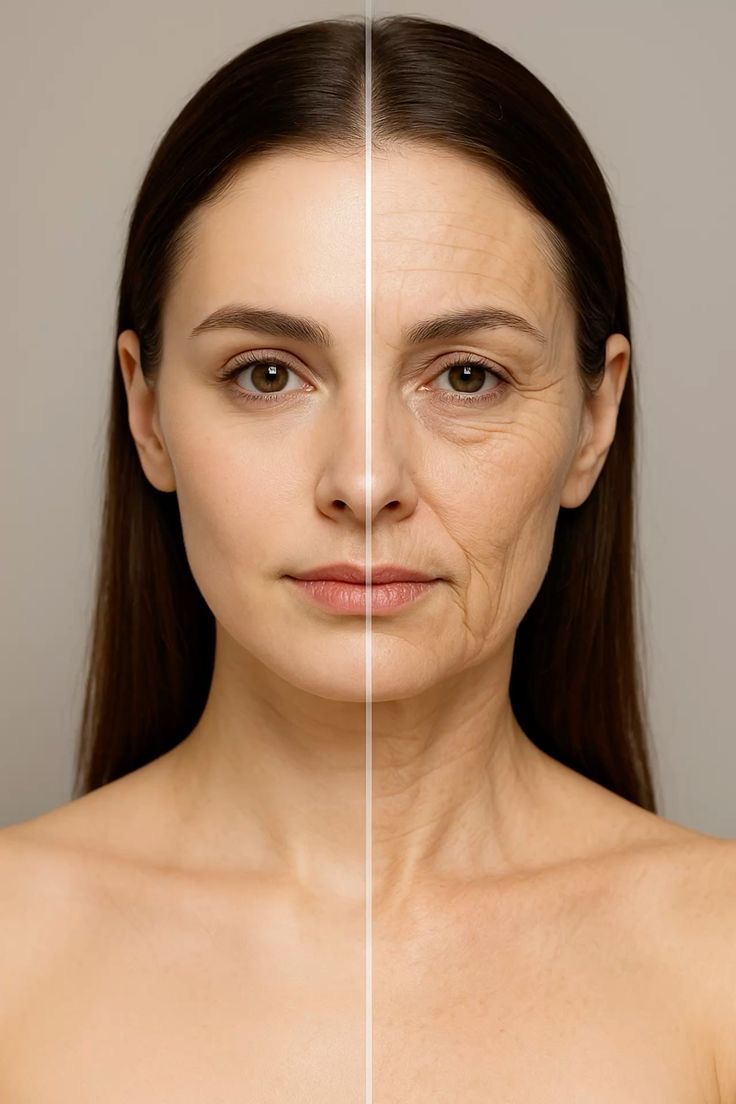
For a long time, skincare was mainly about protection. We used SPF to protect against sun damage and antioxidants to fight pollution. Skincare research increasingly centers on the skin’s ability to repair itself. This reflects the growing interest in stem-cell skincare.
You are not actually putting live stem cells on your face. Real stem cells cannot survive inside a cosmetic jar. Researchers study the ‘secretome,’ the messenger molecules stem cells release to nearby cells. When your skin is young, its internal stem cells are like active foremen on a construction site, constantly signaling for more collagen and faster repair. As we age, their activity declines and this appears on our skin as wrinkles and dullness. This technology uses plant-derived extracts, like Swiss Apple or Edelweiss, to act as a signal “tricking” your skin into behaving like it’s twenty again.
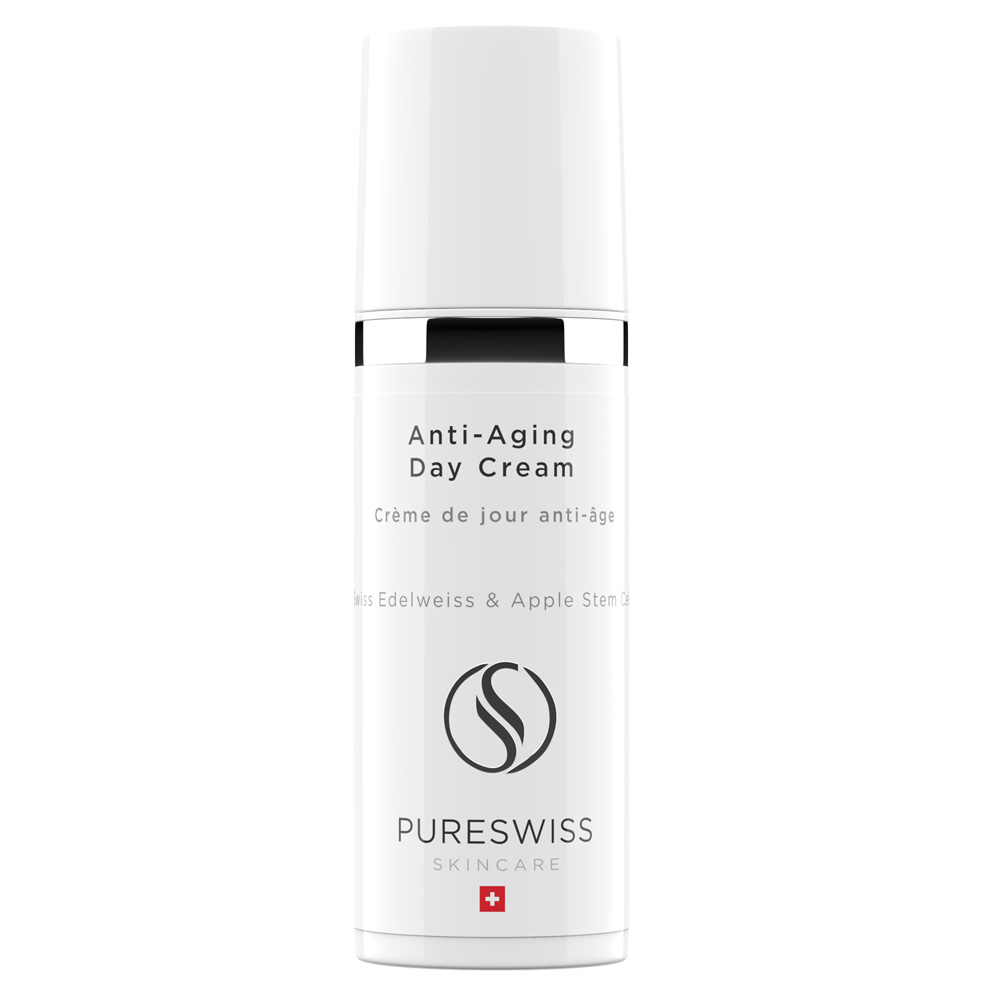
Anti-aging cream with apple stem cells image: www.pureswisscosmetics.com
Why it matters for your skin
While stem-cell technology concentrates on regenerative medicine, many traditional creams focus primarily on surface hydration. These products promote healing by imitating the skin’s natural signals. They:
- Increase elastin and collagen to fill in fine lines from the inside out.
- Quicken Repair: Compared to conventional serums, it fades sun damage and scars more quickly.
- Improve Resilience: Strengthening the skin’s barrier to environmental stress.
Exosomes are gaining attention in skincare research, essentially miniature “delivery bubbles” filled with growth factors and cytokines. They serve as high-speed couriers, transporting anti-aging instructions to the deepest levels of your dermis, where they can do the most good.
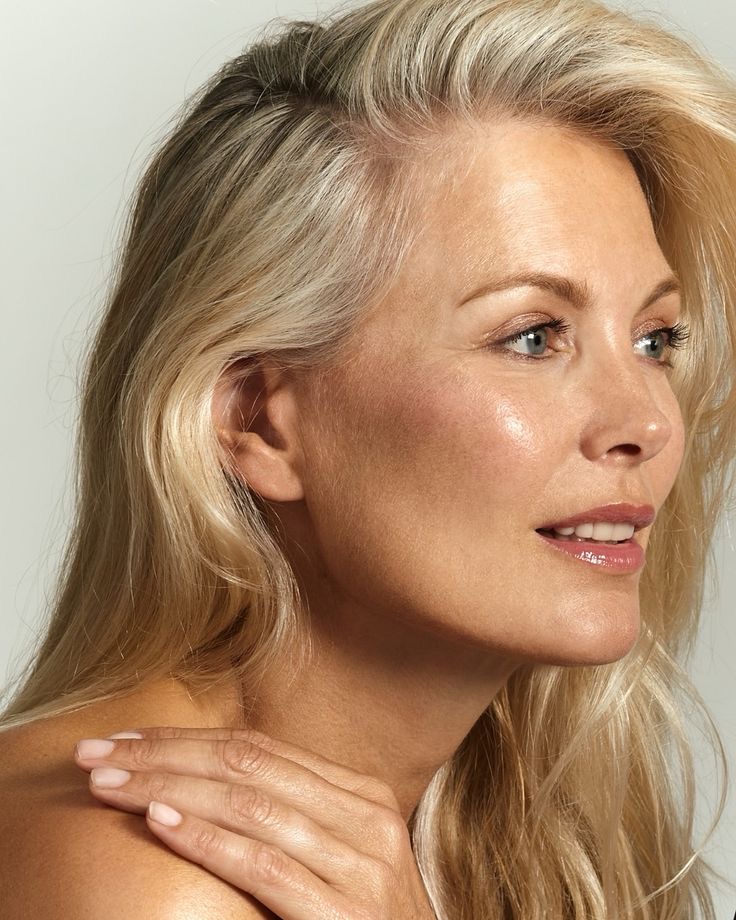
Image — Pinterest @Danielle
Stem-cell skincare is taking us away from transitory “plumping” and toward true cellular renovation. This isn’t just another skincare trend. It’s one of the closest things we have to giving our skin a fresh start.
also read: Khloe Kardashian Stem Cell Therapy—Breakthrough Wellness or Celebrity Indulgence
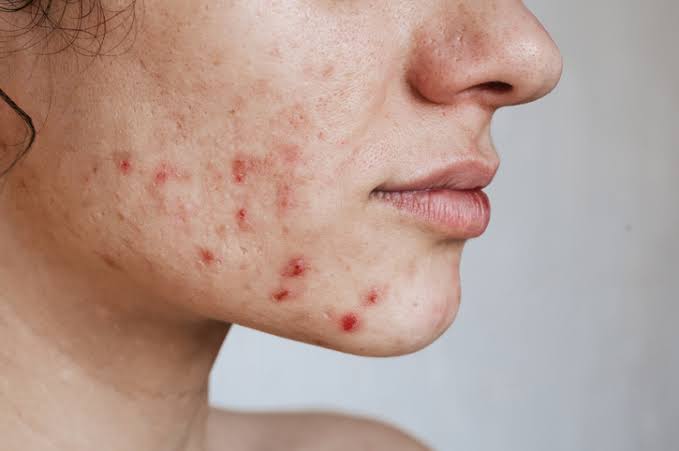
You don’t need anyone to tell you what a pimple looks like.
You’ve lived it — the sting of seeing it first thing in the morning, the subtle panic of wondering how many more are waiting to show up next. The cancelled plans. The dodged mirrors. The quiet question in your head: Why is this still happening?
If that’s you, you’re not being dramatic — you’re being human. Acne might show up on your face, but let’s be honest — it hits way deeper than that. It gets into your head. Makes you question how people see you. Makes you overthink a photo, a conversation, even going outside sometimes. People like to call it things like “blemishes” or “just a breakout,” like it’s no big deal.
But when you’re the one waking up to it every day? Trying product after product? Hiding from mirrors? Yeah… it’s a big deal. So let’s talk. Not with filters or marketing fluff. But real, honest talk about what acne is, what it’s not, and how you can take back control — one layer at a time.
First, Let’s Clear Something Up
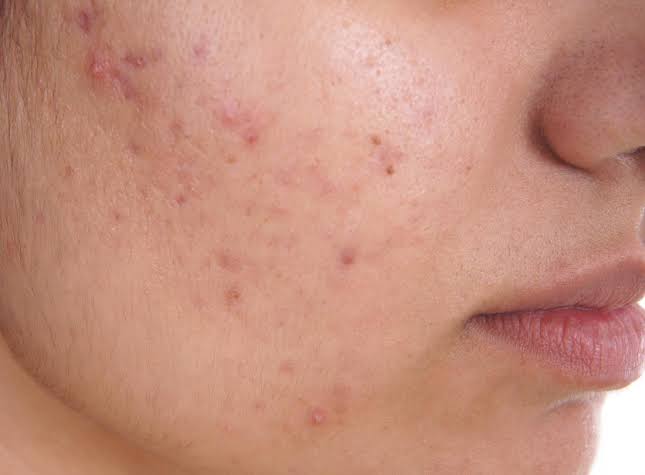
Acne might show up on your face, but let’s be honest, it hits way deeper than that. It gets into your head. Makes you question how people see you. Makes you overthink a photo, a conversation, even going outside sometimes. People like to call it things like “blemishes” or “just a breakout,” like it’s no big deal.
But when you’re the one waking up to it every day? Trying product after product? Hiding from mirrors? Yeah… it’s a big deal.. You start wondering if your body is broken. You scan other people’s faces, comparing skin like it’s a competition you didn’t ask to enter. And all of that can leave you feeling defeated, small, and invisible — or worse, hypervisible.
So, What’s Going On Beneath the Surface?
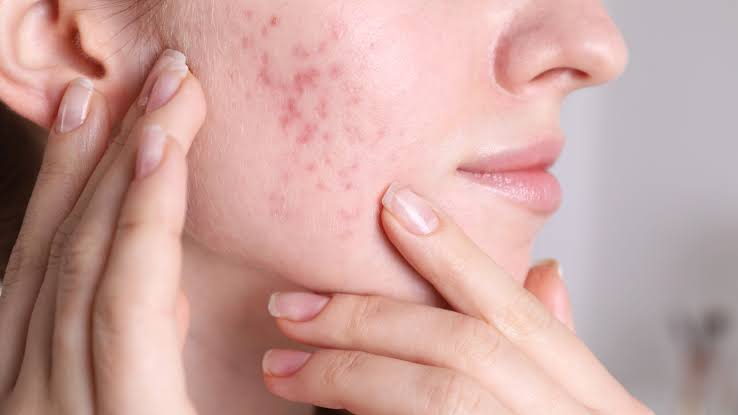
Let’s simplify what’s actually happening.
Your skin has pores. Inside those pores, there are oil glands that produce sebum — a natural oil meant to keep your skin healthy and hydrated. But when your body starts overproducing that oil (thanks, hormones), and dead skin cells don’t shed the way they should, things get stuck. Add in some bacteria, and suddenly, you’ve got inflammation, swelling, and all kinds of acne showing up:
Blackheads and whiteheads – the non-inflamed kind
Papules and pustules – those red, angry spots
Nodules and cysts – deep, painful, long-lasting breakouts
Different people get different types, but the pain (physical and emotional) is often the same.
The Real Triggers
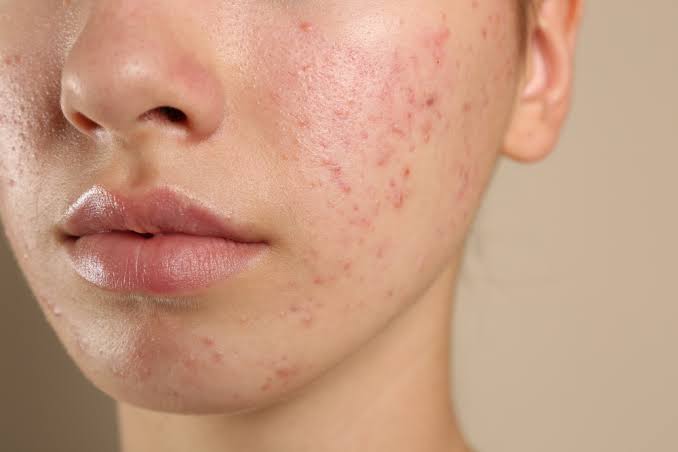
There are so many myths around what causes acne. “You’re not washing your face enough.” “It’s because of chocolate.” “You need to detox.” Most of it? Misinformation.
Honestly? There’s no single reason.
And if someone tells you, “Oh, it’s just because you eat too much chocolate” or “You’re not washing your face enough” — they’re probably just guessing.
Acne isn’t that simple. It’s usually a mix of things working together behind the scenes — things you might not even think of at first. And half the time, it feels like your skin is reacting to stuff you can’t even control. But here are a few of the usual suspects — the ones that tend to stir things up when your skin decides to freak out.
Hormones
Those things are no joke. Whether you’re going through puberty, dealing with your period, pregnant, or stressed out of your mind — hormones can flip the switch on your skin without warning. One week you’re fine, the next you’re breaking out like you’re 15 again.
Genetics
Sometimes, it’s in your DNA. If your parents struggled with acne, chances are your skin is wired to be a little more sensitive too. Not fun, but it helps to know it’s not your fault.
Stress
You can feel totally fine on the outside, going to work, replying messages, doing your thing — but your skin has a way of calling you out. It knows when you’re not okay, even if you haven’t said it out loud. Stress quietly messes with your hormones, especially cortisol, and before you know it,your face decides to join the chaos.
Too Much Skincare
Yes, too much. We’ve all done it — added five new products at once, switched routines because someone on TikTok said it worked overnight. But layering on too many actives, acids, and treatments can wreck your skin barrier. Instead of helping, it just makes your skin more irritated and prone to breaking out. Sometimes less really is more.
Diet – For some, things like sugar, dairy, or highly processed food can be a trigger — but not for everyone.
Environment – Heat, humidity, pollution, even your pillowcase and phone screen. So, no — acne isn’t always about what you ate or whether you cleansed enough. Sometimes, it’s just how your skin is wired to react.
What Can You Actually Do?
When your skin’s breaking out, the first instinct is to throw everything at it. New product, new routine, new panic. But honestly? Less is better. Healing takes time, and your skin needs space to breathe.
Conclusion
You don’t need a full shelf of products. Just start with the basics: A gentle cleanser (nothing harsh or drying)
A moisturizer that keeps your skin calm and supported, a treatment that targets acne (like salicylic acid or benzoyl peroxide)
And yes, sunscreen — even if your skin’s oily, stick with it for a few weeks. Don’t keep switching things. Your skin’s not a science experiment, it needs consistency.
Read Next Post: 5 Viral Foods You Really Need to Taste in Dubai


UAE to Mark Emirati Women’s Day With Month-Long Celebrations

Apple Set to Release iPhone 18: Here’s Everything We Know

UAE-Raised Kaziah Liz Mejo Crowned Miss Universe India 2026


-

 Top Xclusiv3 months ago
Kendall Jenner and Jacob Elordi Join Kylie Jenner and Timothée Chalamet for a Double Date
-

 Top Xclusiv4 months ago
Kylie Jenner Sued by Second Housekeeper Over Alleged Abuse Claims.
-

 Top Xclusiv5 months ago
Lady Gaga and Doechii Collaborate on “Runway” for “The Devil Wears Prada 2”
-

 Celebrity news2 months ago
Lamar Odom Explains His Comments About Marrying Khloé Kardashian for Fame
-

 Food5 months ago
5 Foods to Add to Your Diet for a Leaner Summer Physique
-

 Top Xclusiv4 months ago
Are Kendall Jenner and Jacob Elordi Dating? What We Know So Far After Coachella
-

 Celebrity Style4 months ago
Ashley Simone Five-Outfit Run for ‘The Devil Wears Prada 2’ World Premiere
-

 Fragrance5 months ago
6 Fragrances That Belong in Your Summer Collection