
Beauty
Dark Circles: Here is How to Avoid Them

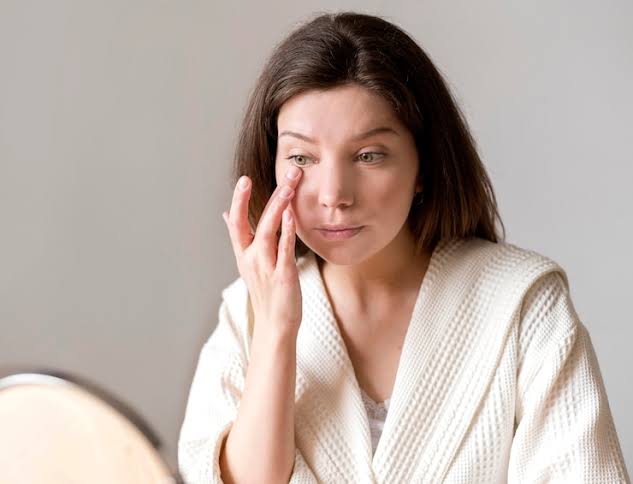
Dark circles are a very common concern among people of all ages and backgrounds. It is often associated with tiredness, stress, or lack of sleep. They can also stem from a variety of lifestyle, genetics and health related issues. Dark circles are a shadowy or discolored area that appear beneath the eyes. It can be blue, purple, brown, or black in colour depending on your skin tone and the underlying cause of the dark circles.
The skin under the eyes is thinner and more delicate than the skin on other parts of the body and this makes it more susceptible to changes in blood flow. pigmentation , and hydration. While dark circles are not typically a sign of serious medical issues, they can affect self esteem and appearance and that is the reason why many seek for solutions to it.
Meanwhile, let us explore some causes of dark circles.
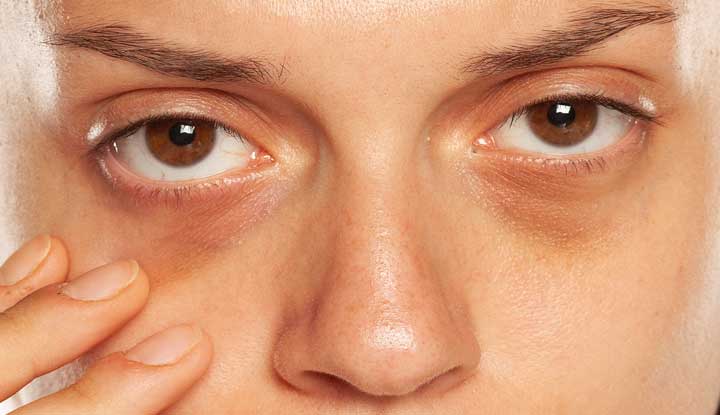 Causes of Dark Circles
There is no exact or single cause of dark circles as it is usually a combination of a number of factors. Some causes of dark circles include:
Genetics.
For a number of people, dark circles are hereditary. If any of your parents have dark circles, you are most likely to develop them too. This is because genetic dispositions can influence skin thickness, pigment levels, and other skin issues.
Lack of Sleep.
This is probably the most popular cause of dark circles. Inadequate sleep can cause the skin to look pale, allowing blood vessels beneath the skin to become more visible and give the appearance of dark circles.
Aging.
As we age, our skin loses collagen and becomes thinner. The loss of skin elasticity exposes the blood vessels beneath the skin, causing dark circles.
Dehydration.
When the body lacks water, the skin under the eyes can look dull and sunken, making dark circles more prominent.
Exposure to the Sun.
Overexposure to the sun can increase melanin production, especially in delicate areas of the eyes, leading to pigmentation and darkening.
How to Avoid Dark Circles.
Now that we have figured out some of the causes of dark circles, here are a few ways to avoid them.
Prioritize Sleep.
Beyond avoiding dark circles, adequate sleep is important for your overall health. You should aim for 7-9 hours of sleep, keep a consistent sleep schedule, avoid screens for at least 30 minutes before you fall asleep and create a calm sleeping environment.
This would keep you well rested and keep dark circles away from your eyes.
Adequately Hydrate.
Since we have discovered that dehydration is a leading cause of dark circles, it is important to drink plenty of water throughout the day to improve skin elasticity.
Drink at least 2 litres of water daily, eat fruits rich in water such as cucumber, watermelon, oranges, etc and reduce intake of dehydrating substances like caffeine.
Use Cold Compress.
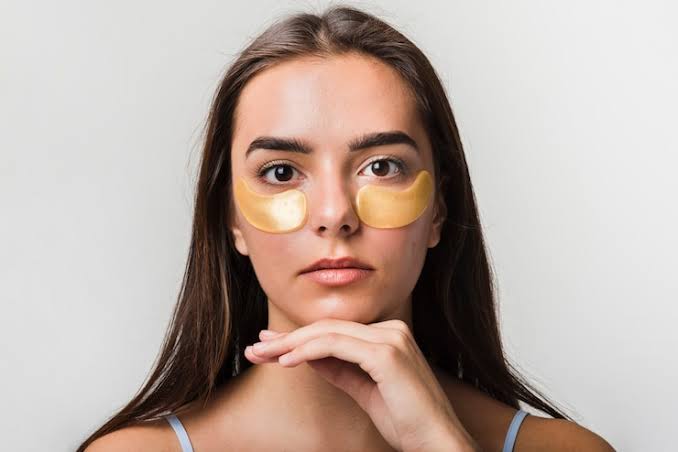
Cold temperature constricts blood vessels and reduces swelling. To use, place chilled teaspoons, cucumber slices, ice block, or a gel eye mask on your eyes for 10-15 minutes. Then, repeat in the morning to reduce puffiness and dark circles.
Protect your Eyes Against Sun Exposure.
As sun rays is one of the leading causes of dark circles and aging, it is important to protect yourself from the sun.
You can do this by always wearing sunscreen with SPF 30 or higher, even on days that are not sunny. You can also use sunglasses to protect yourself from UV radiation.
Putting these steps to action, you can as well say goodbye to dark circles.







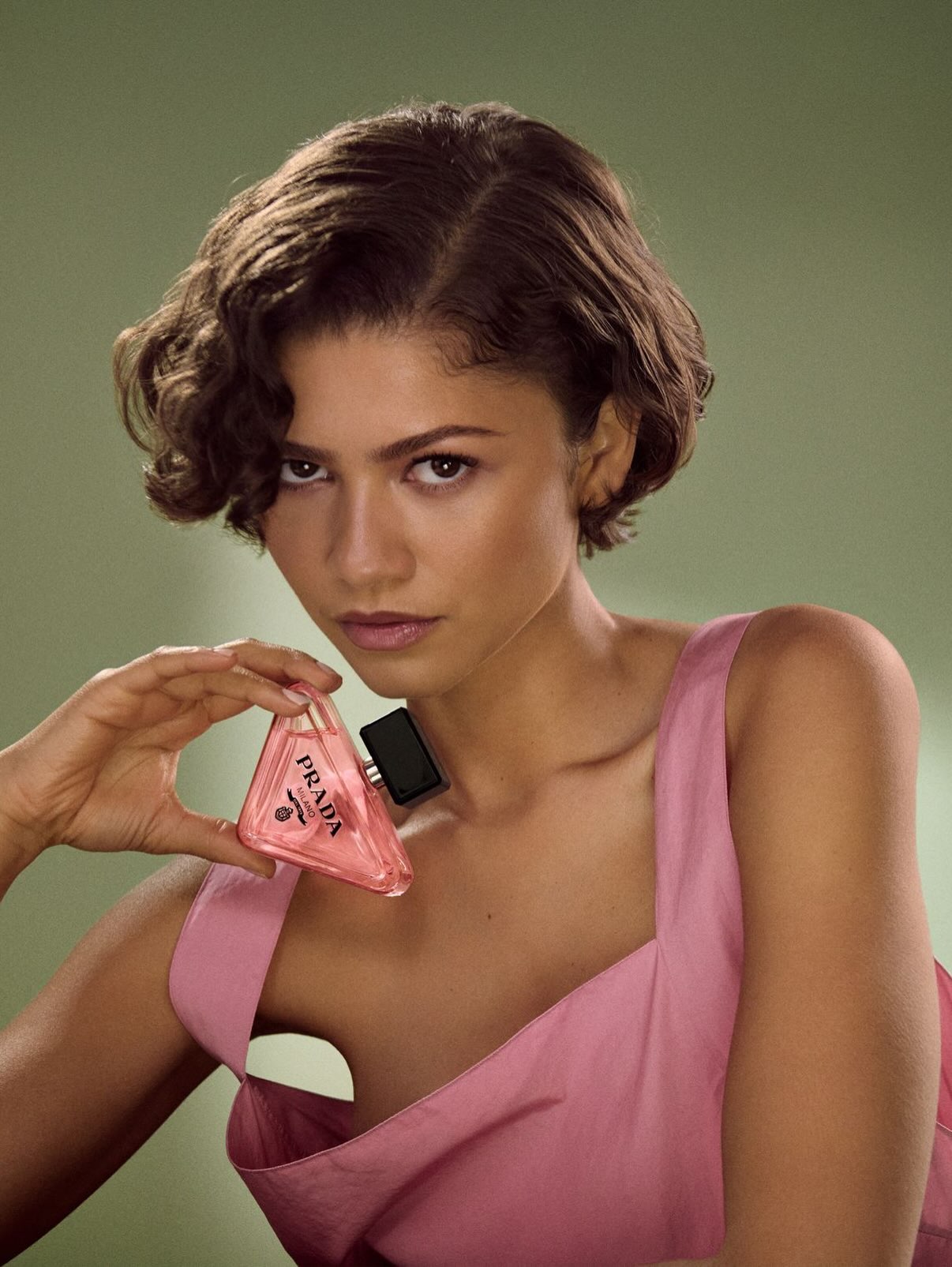
Zendaya has been named the new ambassador for Prada Paradoxe. The announcement, made by Prada Beauty, places the actress at the center of the house’s fragrance collection and coincides with the launch of the newest scent, Paradoxe Sweet Chemistry.
The partnership builds on a relationship Zendaya has maintained with luxury fashion and beauty for years. She previously led Lancôme’s Idôle fragrance as one of the brand’s youngest ambassadors. With Prada, the partnership is rooted in familiarity with a fragrance she had already incorporated into her routine. According to her, she discovered Paradoxe through one of her best friends and adopted it as her own before any formal collaboration was discussed.
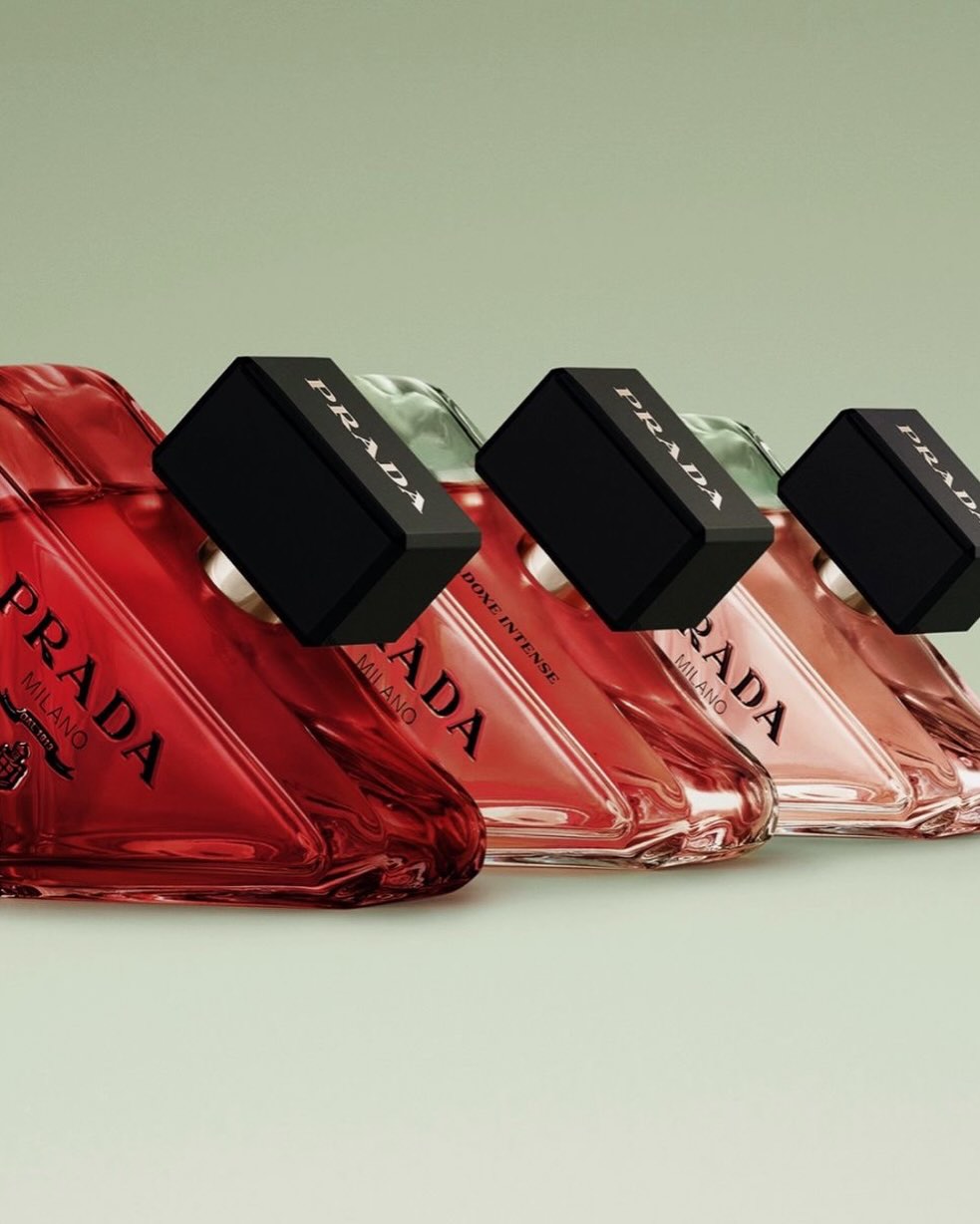
Photo: Instagram
“I got a lot of compliments on it,” she said. “It became my signature fragrance.” She added that she often carries a travel-sized bottle with her, a detail that speaks to how the scent has fit into her daily routine.
That personal history makes the appointment feel intentional. Prada Paradoxe is known for its floral ambery profile, balanced by warmer amber and musk notes. The collection has grown to include several variations, with Sweet Chemistry serving as its latest addition.
The fragrance features notes of black currant, orange blossom, and neroli milk, expanding the series with a distinct new composition.
For Prada Beauty, Zendaya offers more than visibility. As one of the most visible figures in entertainment and fashion, she brings significant global recognition to the campaign. In recent months, she has also worn the Brand’s Beauty makeup and skincare during press for “The Odyssey” and “Spider-Man,” working with makeup artist Ernesto Casillas. That consistent use across red carpets and tours reinforces the partnership beyond fragrance.
The partnership arrives during a particularly significant period in Zendaya’s career. Between consecutive global press tours and with “Dune: Part Three” still ahead. Leading a major fragrance launch during that period gives Prada access to a global audience already watching her closely.
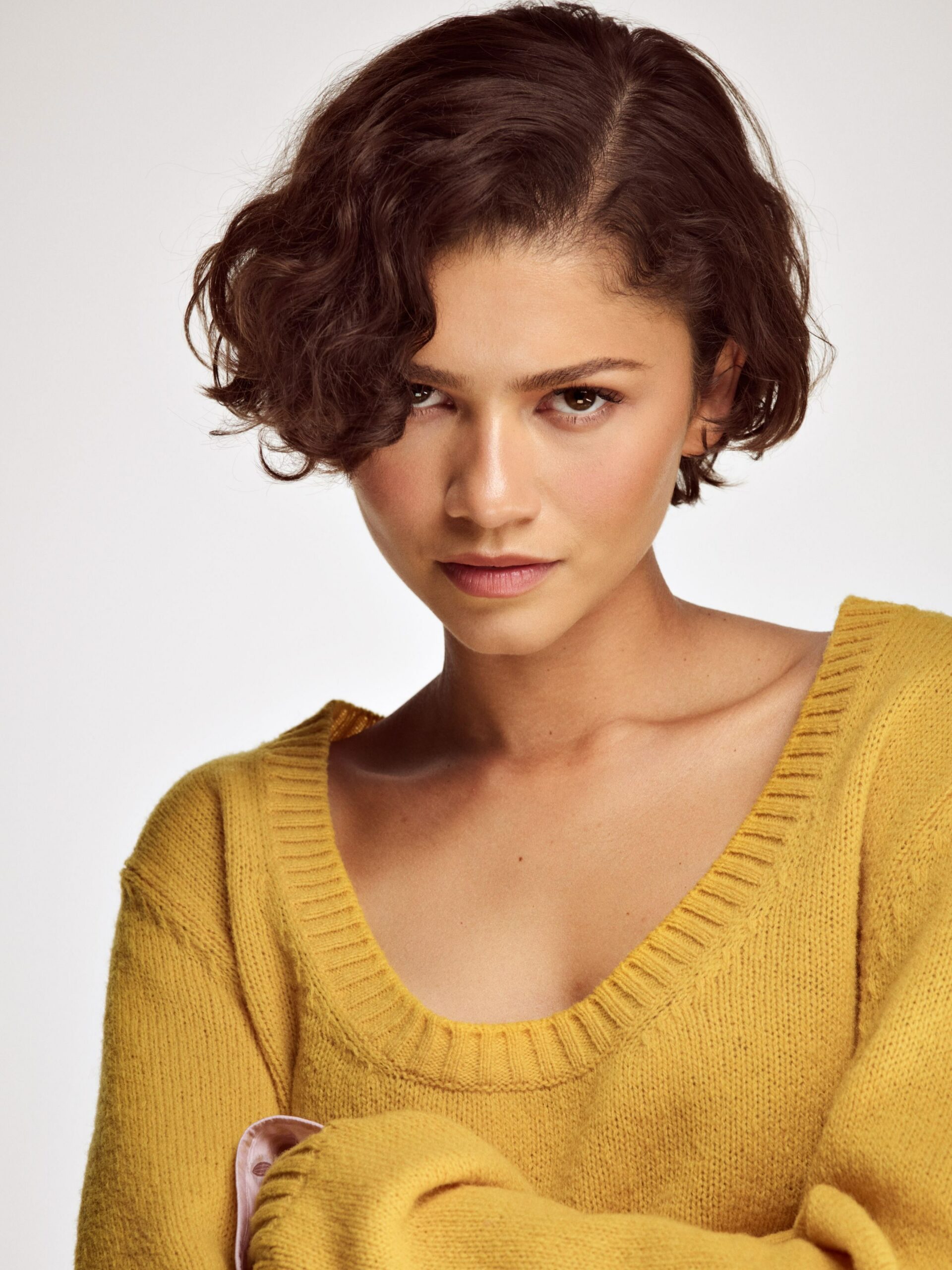
Photo: Instagram
As Sweet Chemistry rolls out worldwide, Prada is putting one of the industry’s most watched style voices at the forefront. The goal is to connect a new scent to a new generation.
Read Next Post: 8 Things We’re Looking Forward to at the 2026 Venice Film Festival
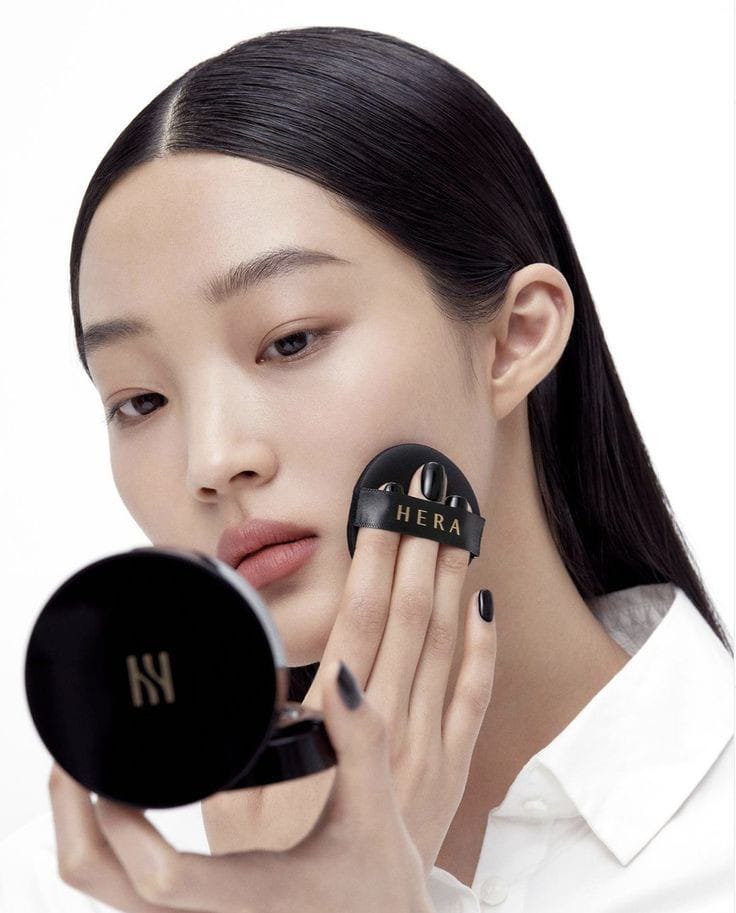
Sunscreen has become one of the most talked-about products in modern skincare, but applying it consistently remains a challenge for many consumers. Now, K-beauty is introducing a solution that prioritizes convenience as much as protection: cushion sunscreens.
Instead of changing what sunscreen does, K-beauty is changing how people use it. Cushion sunscreens bring SPF into a portable compact format, making reapplication faster, cleaner, and more convenient.
The Format
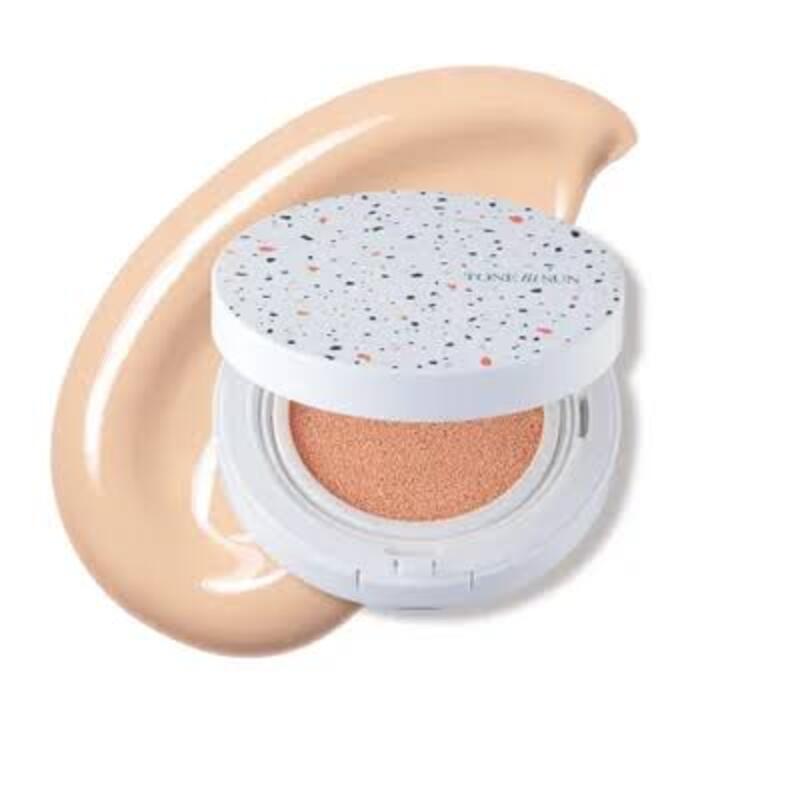
Photo: Instagram
Following the cushion foundation concept, these sunscreens use a press-and-dab format to apply liquid SPF conveniently. The appeal lies in the convenience of on-the-go application, allowing for quick sunscreen touch-ups without the need to carry separate products or deal with messy application.
The result is a portable SPF designed for mid-day use. At a desk, in transit, or while traveling, users can refresh protection in seconds.
Why It Matters
Although dermatologists often recommend regular sunscreen reapplication, the ideal frequency depends on factors such as sun exposure, sweating, swimming, outdoor activity, and the amount of time spent indoors. Carrying a traditional lotion and layering it over makeup can feel impractical, causing many people to overlook the step altogether.
By eliminating the inconvenience of traditional reapplication, cushion compacts make SPF touch-ups faster and more seamless, encouraging more frequent sunscreen touch-ups throughout the day.
This reflects a larger shift in beauty. Consumers still demand efficacy, but they now expect products to integrate into daily life. Portability and user experience are now part of performance.
What Experts Are Saying
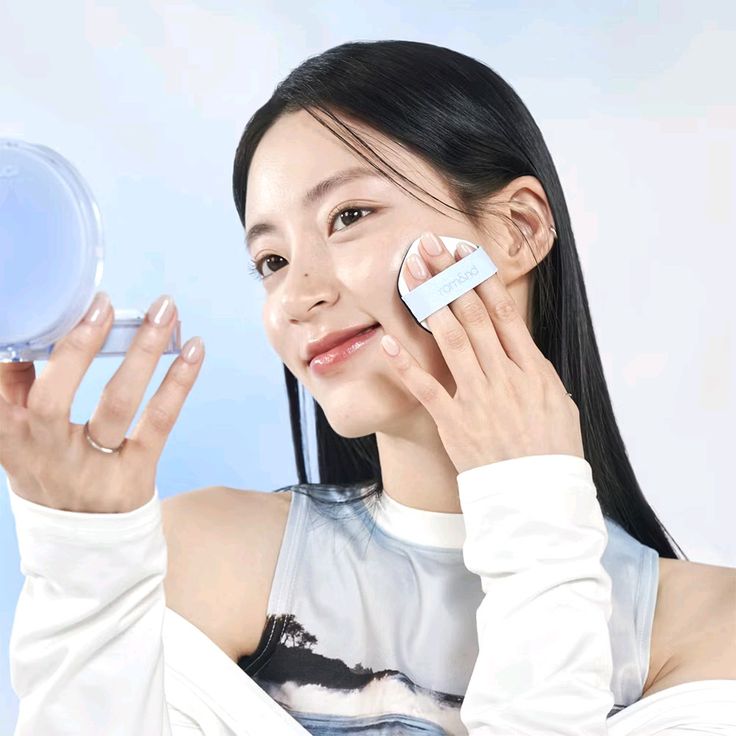
Photo: Instagram
Dermatologists and skincare professionals view cushion sunscreens as a tool for maintenance, not a replacement. Three points keep coming up:
Coverage: The UV filters are not new. Efficacy still depends on filter quality and on applying enough product. A few light dabs may feel sufficient, but they do not deliver the SPF stated on the label. Adequate application remains critical.
Hygiene: The puff contacts skin and returns to the compact. Without regular cleaning, it can harbor oil, makeup, and bacteria.
Role in routine: A generous, broad-spectrum layer should still anchor the morning routine. Cushion formats work best as a supplement for reapplication throughout the day.
Relevance In High-UV Climates
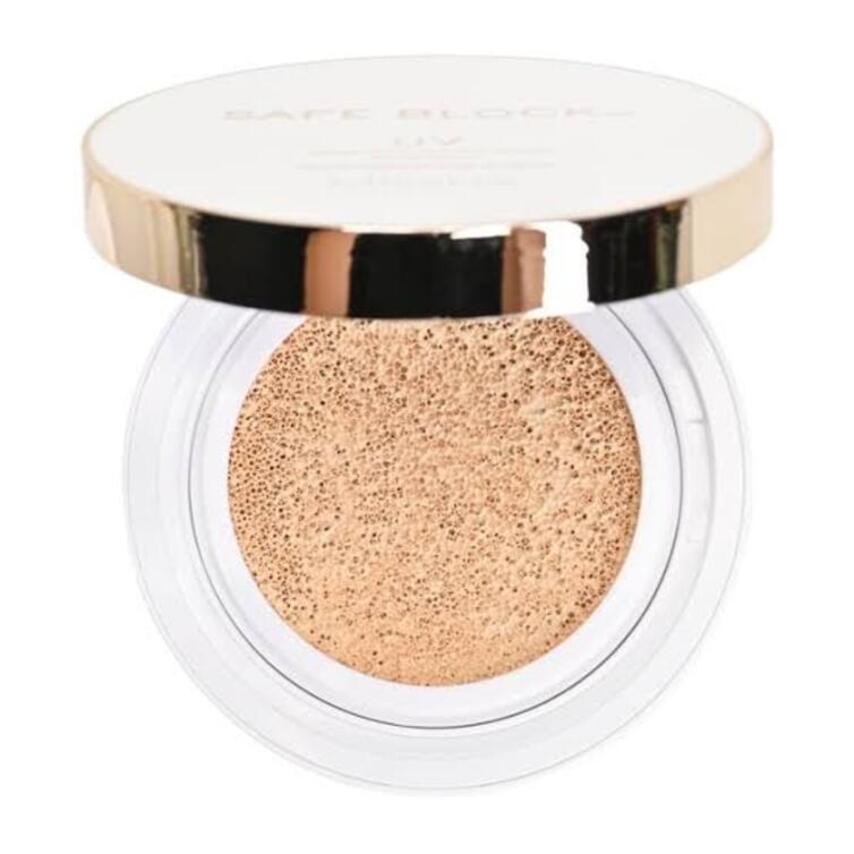
Photo: Instagram
The trend carries added weight in regions with consistent sun exposure. In places like the Middle East, where UV levels remain high year-round, products that encourage regular reapplication have real preventative value beyond cosmetics. In this context, convenience plays a practical role in helping people maintain sun protection habits.
By merging skincare with portability, K-beauty has turned a long-standing challenge into a design solution. In that sense, cushion SPF may be less of a trend and more of a necessary evolution, making healthy habits easier to keep.
In an industry often focused on new ingredients and formulation, this may be the innovation focused on how people use it.
Read Next Post: Vivienne Jolie-Pitt Files to Legally Drop “Pitt” From Last Name
Full, well-defined eyebrows have become a defining feature of modern beauty. After years of ultra-thin arches and over-plucking, many people are now looking for lasting ways to restore shape and volume. While brow lamination, microblading, and makeup offer temporary enhancement, eyebrow transplantation is emerging as a permanent alternative.
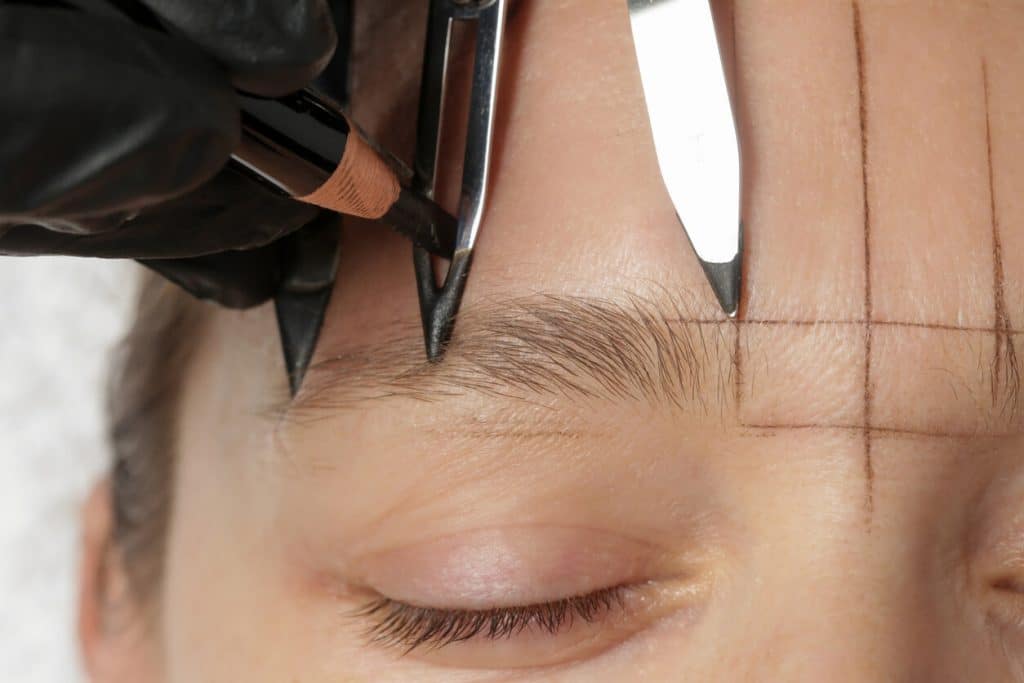
Photo: istock
Rather than relying on cosmetic techniques to mimic fullness, an eyebrow transplant involves implanting healthy hair follicles into the brow area to create natural density and encourage long-term hair growth. During the procedure, healthy hair follicles are taken from the back of the scalp and meticulously implanted into the brow area to create a fuller, more defined shape.
Precision is critical. Each follicle must be placed at a specific angle and direction to mimic natural eyebrow growth. The objective is not simply more hair but brows that complement an individual’s facial structure and look authentic.
The Appeal: Permanence
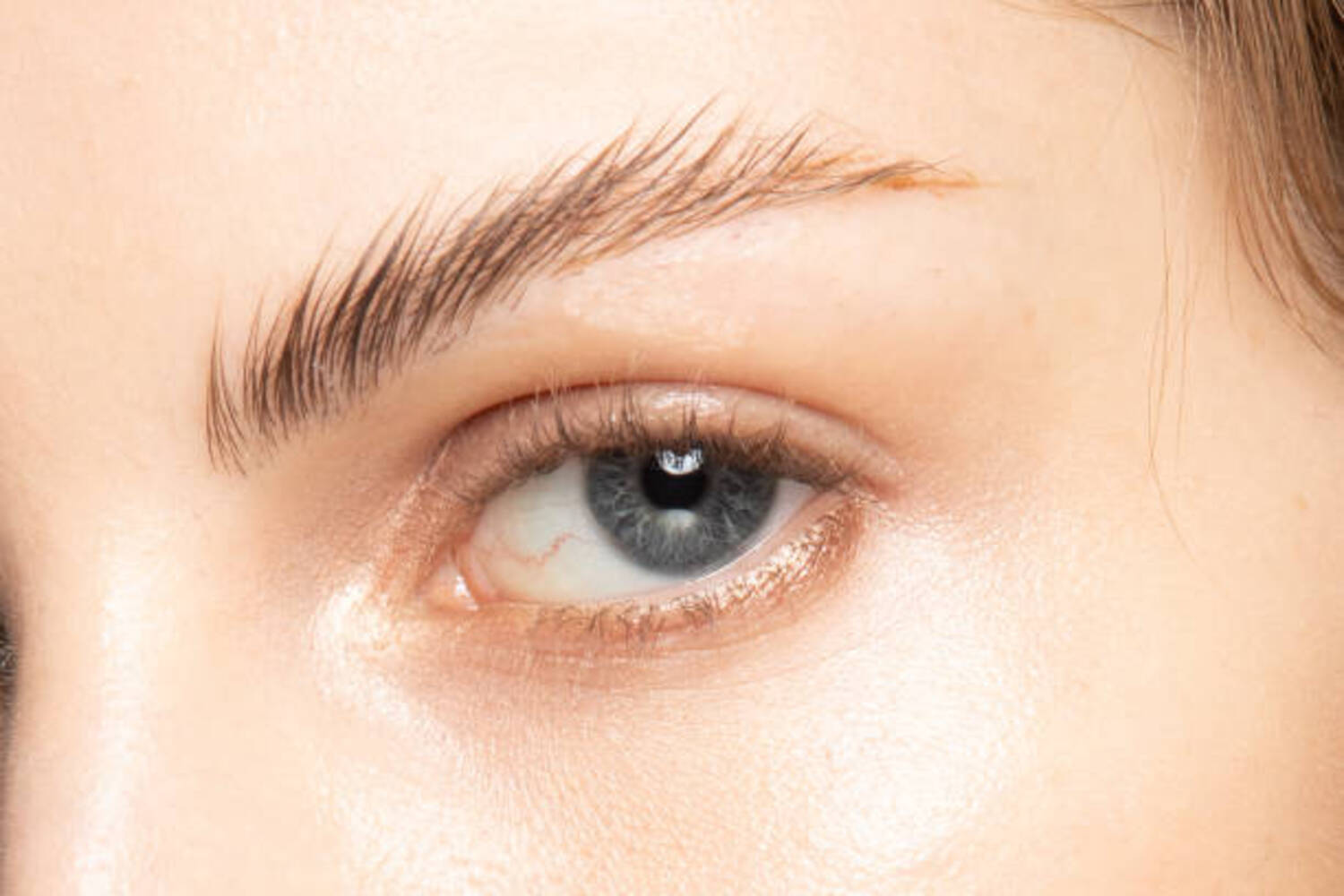
photo: Getty images
The primary draw is longevity. Once transplanted follicles establish, they continue producing hair naturally. That means fuller brows without daily pencils, powders, or scheduled touch-ups.
It is not an instant result. One aspect of the recovery journey that often surprises patients is the initial shedding of transplanted hairs, which occurs before the follicles begin producing new growth. There is no instant transformation. Mild redness, swelling and small scabs are common during the early healing period and typically subside within the first week or two. The brows slowly take shape as new hairs begin to grow, with noticeable changes appearing over the following months and the full result typically revealed within a year.
The Maintenance
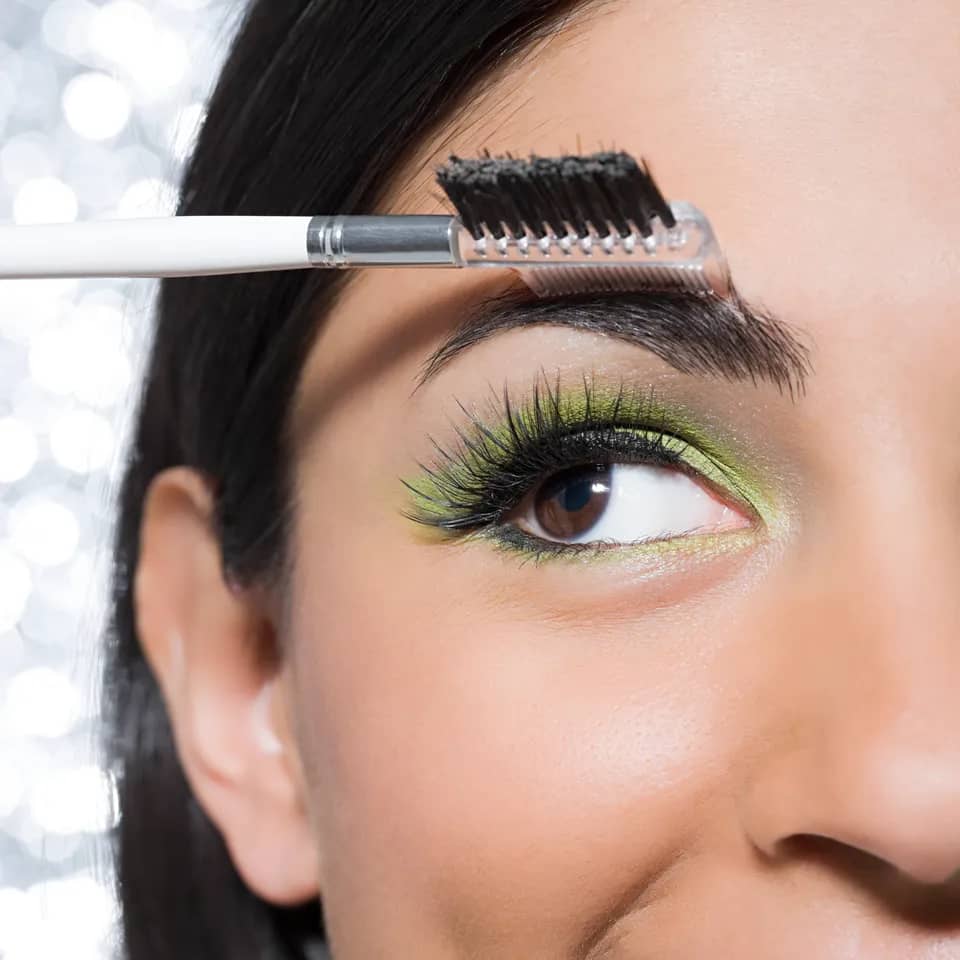
Photo: Getty images
The procedure may offer permanent results, but it does not eliminate maintenance altogether. Hair transferred from the scalp tends to grow more quickly than natural eyebrow hair, making occasional grooming necessary. As the hairs continue to grow, periodic trimming becomes part of the maintenance routine, which helps to preserve a well-defined and polished appearance. For many, that upkeep is a small trade-off for lasting density.
Who It’s For
Suitability depends on hair type, skin, medical history, and aesthetic goals. Ideal candidates include those affected by over-plucking, genetics, scarring, or age-related thinning who want a natural, long-term solution.
As with any cosmetic procedure, results hinge on the practitioner. An experienced specialist will assess facial proportions and hair characteristics to create balanced, natural-looking brows rather than a one-size-fits-all shape.
Eyebrow transplants are not a quick-fix trend. They represent a shift toward restoration rather than concealment, offering real hair growth for people tired of daily filling and reshaping.
As interest in long-lasting beauty solutions continues to grow, eyebrow transplantation is becoming an increasingly attractive option for those looking to restore shape and density. While the results are not immediate, the reward is a set of brows that blend naturally with the face and significantly reducing the need for daily brow makeup while still requiring occasional grooming.
Read Next Post: Lamar Odom Explains His Comments About Marrying Khloé Kardashian for Fame

Brad Pitt Says He’s No Longer Sober After Seven Years

Almas Is the Paris Restaurant Putting Lebanese, Iranian and Russian Cuisine on One Table

Kim Kardashian Unveils the Vision Behind Skims’ New London Flagship


-

 Top Xclusiv3 months ago
Kendall Jenner and Jacob Elordi Join Kylie Jenner and Timothée Chalamet for a Double Date
-

 Top Xclusiv3 months ago
Kylie Jenner Sued by Second Housekeeper Over Alleged Abuse Claims.
-

 Top Xclusiv4 months ago
Lady Gaga and Doechii Collaborate on “Runway” for “The Devil Wears Prada 2”
-

 Celebrity news1 month ago
Lamar Odom Explains His Comments About Marrying Khloé Kardashian for Fame
-
 Top Xclusiv4 months ago
Lola Young Opened Up About Drug Recovery Six Months After Collapse
-

 Food4 months ago
5 Foods to Add to Your Diet for a Leaner Summer Physique
-

 Top Xclusiv4 months ago
Are Kendall Jenner and Jacob Elordi Dating? What We Know So Far After Coachella
-

 Celebrity Style5 months ago
Bella Hadid Has a Grip on this Y2K Denim Trend