
Health
The Drink That’s More Hydrating Than Water?

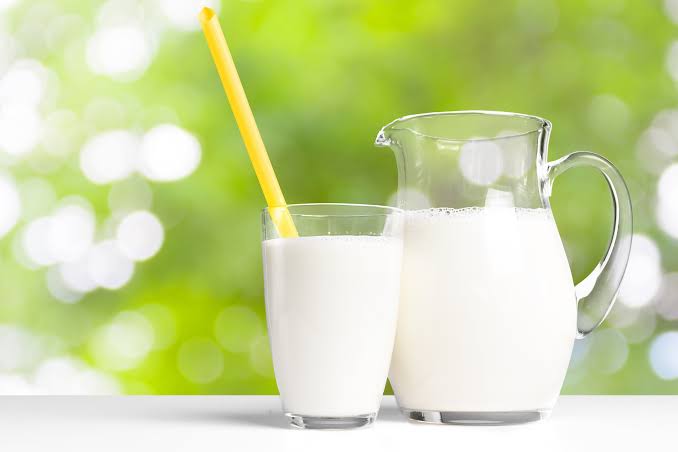
Surprise, It’s Milk. When you think hydration, your mind probably jumps straight to water. It’s Pure, clear and essential. And you’re not wrong, water is life. But what if I told you there’s a drink that hydrates your body even better than water? One that doesn’t just quench your thirst but also replenishes and sustains your hydration levels longer? That drink is milk.
Yes, the same milk you poured over your cereal this morning. Or maybe haven’t touched in years. It’s time to reconsider it, because science says it beats water at its own game.
Why Milk Keeps You Hydrated Longer
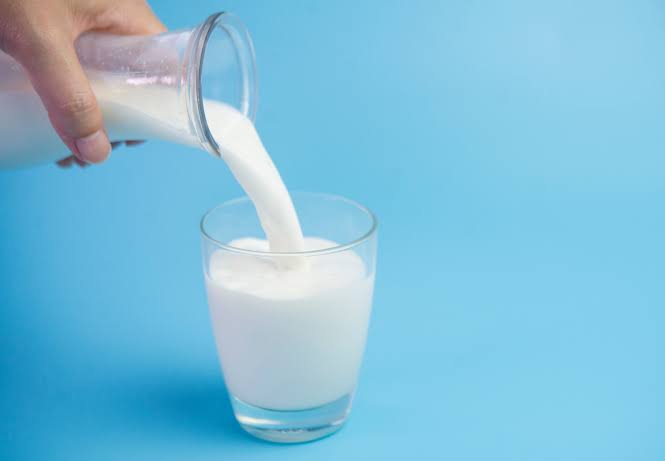
There’s something surprisingly effective about milk when it comes to hydration and it’s not just about the liquid itself. First off, milk naturally contains sodium and potassium, the same electrolytes found in fancy sports drinks. But unlike those sugary bottles, milk delivers these in a form your body knows how to use. These electrolytes do something critical: they help your body hold onto the water it absorbs, instead of flushing it out the minute you’re done drinking.
Then there’s the protein and sugar in milk both of which slow down how quickly your stomach empties. The result? The liquid hangs around in your system longer, giving your body more time to actually benefit from it. And it’s not just speculation. Milk > Water? Science Says Yes — And Here’s Why
When it comes to hydration, water’s always been the gold standard. It’s clear, calorie-free, and vital for life. But here’s a twist: plain water might not actually be the best way to stay hydrated.
In a 2016 study, scientists at St. Andrews University in Scotland compared how long various drinks kept the body hydrated and the findings caught many off guard. Milk didn’t just hold its own against water, sports drinks, and even specially formulated medical hydration solutions, it outperformed them all.
Why Does Milk Hydrate Better Than Water?
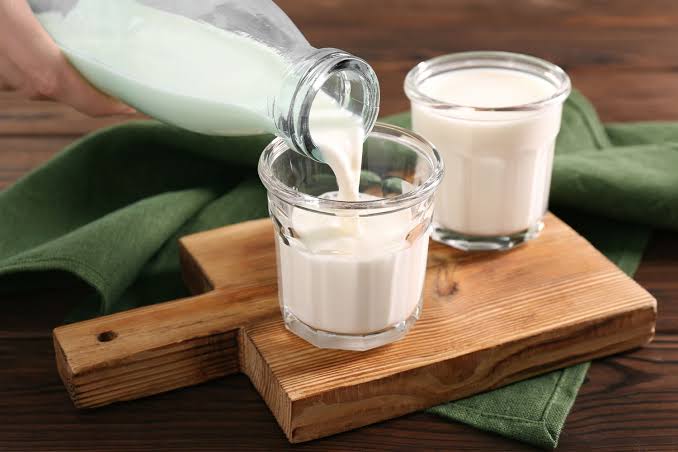
Milk’s secret weapon lies in its composition. Unlike water, which passes through your system quickly, you might think milk’s for your cereal or for building strong bones. But here’s something most people don’t know
It’s actually one of the best drinks for staying hydrated. Why? Because milk isn’t only liquid, it’s got a combo of carbs, protein, and fat. That combo actually slows down how quickly your stomach empties — which means your body gets more time to soak in all the hydration. In plain English? The water in milk doesn’t just fly through your system, it hangs around, keeping you hydrated for longer.
And here’s the kicker: milk naturally comes with electrolytes like sodium and potassium — the same stuff your body loses when you sweat. So whether you’ve just wrapped up a workout or spent the day under the sun, milk might just rehydrate you better than plain ol’ water.
Conclusion
So, should you ditch water? Absolutely not. Water is still essential. But when it comes to hydration that sticks with you, milk has a quiet edge. It’s nature’s original rehydration drink — rich, nourishing, and made to fuel life. So the next time you’re parched? Skip the plastic bottle, reach for the real thing. Your body will thank you.
Read Next Post: Best Rosewater Perfumes to Wear This August


Prostate cancer can be very challenging to identify in early stages, but here are some warning signs.
One of the most prevalent cancers in men is prostate cancer. The prostate, is a tiny walnut-sized gland in the reproductive system, it aids in the production of semen, the fluid that contains sperm, and is located directly beneath the bladder.
Prostate cancer typically grows slowly, and many people don’t see any symptoms at first. This emphasizes how crucial it is to be aware of warning signs. Early detection of prostate cancer can impact both the course of treatment and the patient’s prognosis.
Urinary difficulties are among the most common early signs of prostate cancer. Because the prostate is located close to the urethra, the tube that carries urine out of the body, any enlargement or change in the prostate can put pressure on the urethra. This pressure can interfere with normal urination and lead to various urinary problems.
Cancer is not always indicated by these urinary symptoms.They may also be brought on by other issues with the prostate, like an enlarged prostate.
Regular Urination
Urinating more frequently than normal may also be an indication. Because it frequently happens at night while you’re sleeping, this frequent urination can be annoying. Your prostate may be interfering with your bladder if you wake up multiple times a night to use the restroom.
Weak Stream of Urine
It’s possible that your urine stream is weaker or slower than usual.As you try to empty your bladder, it might even stop and restart by itself.

Signs of prostate cancer — Pinterest @Paanienewsgh
Blood in Semen or Urine
Prostate cancer can cause blood to appear in your urine or semen. Blood can have a bright red or brownish color. Don’t ignore blood, even if you only see it once. Prostate cancer or other major health issues may be indicated by blood.
Difficulty in urinating
You might have the urge to urinate but find it difficult to start the stream.Additionally, you might notice that you need to exert yourself to urinate. Even right after urinating, some people feel as though they haven’t completely emptied their bladder.
Sexual Dysfunction
Prostate cancer patients may experience changes in their sexual well-being. Erectile dysfunction (ED), or difficulty achieving or sustaining an erection, is one prevalent problem. Reduced semen production or pain during ejaculation are additional indicators.
Pain in the Bones
Prostate cancer typically spreads to the bones if it metastasizes. Deep pain in your legs, hips, back, or ribs may result from this.The pain may not go away with standard treatment or may worsen over time.
Pain in the Pelvis
Prostate cancer may be indicated by lower back, hip, or pelvic pain.This kind of pain may feel like a dull ache or pressure and usually doesn’t go away.

Signs of prostate cancer —Pinterest @Samuelne Gyori
When to Consult a Medical Professional
It is important that you see the doctor, if you experience any of the warning signs, such as difficulty urinating or blood in your urine. Even though these symptoms don’t always indicate cancer, it’s still advisable to get checked out.
don’t miss out: Fibermaxxing—How Experts Say It Supports Digestive Health Wellness

Time never stops, but the way it shows up in our skin, energy, and overall health isn’t only about age, it’s also about how we take care of ourselves. Antioxidants play a big part. They protect our cells from daily stress, pollution, and sunlight. Here are a few key ones that can help slow down the signs of aging.
Vitamin C
This is your skin’s best friend. Vitamin C is like the encouraging coach that tells your skin to produce more collagen, keeping it firm and bouncy.
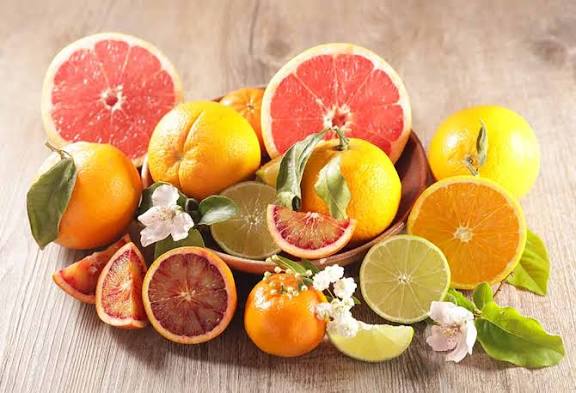
Vitamin C helps your skin stay firm by supporting collagen. It also guards against sun damage and keeps your skin from looking dull. You can get it from citrus fruits, berries, and even bell peppers.
Vitamin E
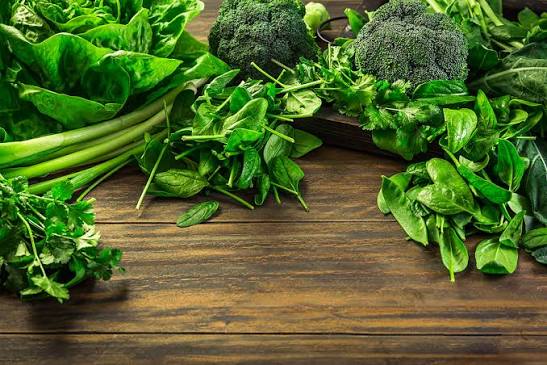
Vitamin E works with vitamin C to keep your skin soft and healthy. It helps your cells stay strong. You can find it in nuts, seeds, and leafy green vegetables.
Resveratrol
Resveratrol is a plant compound in red grapes and berries. It supports heart health, may help you live longer, and calms inflammation that makes aging faster.
CoQ10
Your body produces CoQ10 naturally, but less as you get older. It helps your cells turn food into energy while fighting off damage. Fatty fish and organ meats are natural sources.
Carotenoids
Carotenoids are what give carrots, sweet potatoes, and spinach their rich colors.
Polyphenols

Found in tea, coffee, and dark chocolate, polyphenols support circulation, sharpen your mind, and reduce stress on the body.
Glutathione
It helps flush out toxins from your body and keeps your immune system strong. You can give it a boost by adding simple foods like garlic, onions, and broccoli to your meals.”
Simple Ways to Get More Antioxidants
Eat more colorful fruits and veggies.
Add nuts and olive oil to your meals.
Choose green tea instead of sugary drinks.
Read Next Post: Perfume 101: 4 Scents Guaranteed to Get Compliments Before October

Fibers come from real plant food such as vegetables, whole grains, fruits, beans, seeds, and nuts. It can also be obtained from its supplements. So Fibermaxxing, simply put, means making fiber a consistent part of your daily meals to support gut and overall health.

Health fiber food -Pinterest @lizaluxe’s
Why is it beneficial
Here are the main reasons experts say you should eat fiber.
Feeds good bacteria: By consuming a lot of fibre and different kinds of it, you’re giving the healthy gut bacteria lots of food to grow on.
May Help With Weight Loss: Adding it to meals and snacks has many advantages, one of which is that it makes you feel satisfied in between meals and might lessen overeating tendencies.
Helps with constipation: High quantity softens and increases the size and weight of faeces. It aid in the solidification of loose, watery stools. This is because fibre absorbs water and increases stool volume.
Lowers Cholesterol and Controls Blood Sugar: The soluble found in beans, oats, flaxseed, and oat bran may help the body avoid absorbing some of the cholesterol in other foods. As a result, bad cholesterol may decrease. Also assist in regulating blood sugar level and also help diabetic patients lower their blood sugar. Promoting a healthy heart and preventing diabetes.

Ways to add fiber to your meal – Pinterest @ Max B
Easy Ways To Include Fiber In Your Meal
Remember, too much of anything is not good. Add fiber slowly so your body can adjust. If you increase it too quickly, it can overwhelm digestion and cause gas, bloating, diarrhea, or cramping. Gradual changes help prevent these issues.
- Try to make sure every meal contains either fruits, vegetables, or both. For example, add veggies to lunch and dinner, and fruit bowls for breakfast. Also when you want to snack, let fruit be your focus, nuts, and seeds. You can include them in other dishes like stir-fries, salads, and yoghurt.
- Switch to whole grains. Let at least half of your daily grain intake be whole grains. Select breads that contain a minimum of 2 grams of fibre per serving. The first ingredient listed on the label should be whole wheat, whole-wheat flour, or another whole grain. Additionally, try other whole grains like quinoa, brown rice, wild rice, buckwheat, and whole-wheat pasta.
- Legumes such as beans, peas, and lentils are excellent fiber sources. Add them to soups or salad. Prioritize whole-food sources of fiber over supplements whenever possible.
- Make sure you consume whole food fiber rather than supplement fiber.
Simple way to add fiber to your diet today:
- Whole-grains such as barley, bulgur, brown rice, and whole-wheat bread or pasta.
- Fruits.
- Vegetables.
- Beans, peas, and other legumes.
- Nuts and seeds.
For Women it is medically recommended that 21 grams are for those older than age 50 and 25 grams for women age 50 or younger.

Healthy plate of fiber -Pinterest @Emy
Conclusion
For a happier gut, better digestion, steady blood sugar, and lower cholesterol, eat more fiber the smart way daily and mostly from plants.
Note: if you have existing health problems like IBS or small- bowel issues consult with a gastroenterologist or dietician before fibermaxxing.
also read: Healthy Eating on a Budget – Affordable Nutrition Options in the UAE


Nobu One Za’abeel Opens in Dubai with Celebrity Guests in attendance

The 2016 Fashion Trends are Coming Back

Early Signs of Prostrate Cancer


-

 Fashion2 months ago
Jennifer Lopez in Saree at Netra Mantena’s Wedding in Dubai
-

 Top Xclusiv2 months ago
Ariana Grande Brings Vintage Hollywood to the Wicked: For Good Paris Premiere
-

 Entertainment3 months ago
Eddie Murphy Peels Back the Curtain in New Documentary Trailer “Being Eddie”
-

 Movies2 months ago
The Devil Wears Prada 2″ Unveils First Teaser Trailer With Meryl Streep, Anne Hathaway
-

 Fashion4 months ago
Rahaf Alharbi Glows Like a Golden Goddess in Rami Kadi Couture
-

 Fashion5 months ago
Why the Tie Is 2025’s Boldest Fashion Accessory
-

 Entertainment4 weeks ago
Chris Evans Returns as Captain America in Avengers: Doomsday, Signaling Marvel’s Next Multiverse Chapter
-

 Fragrance3 months ago
Kayali Launches its First Official Website, Marking a New Era for the Dubai Born Brand